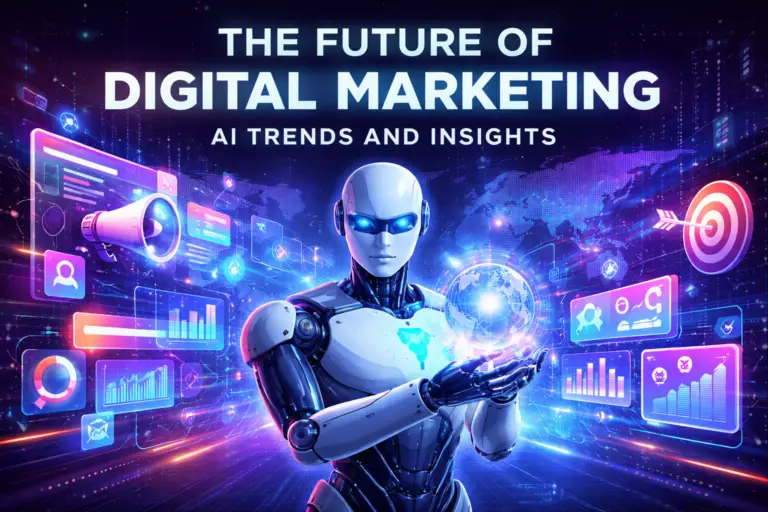
Digital marketing is evolving at a rapid pace, and artificial intelligence (AI) is at the forefront of this transformation. From predictive analytics to personalized content and automated campaigns, AI is reshaping how businesses connect with audiences and make data-driven decisions. In 2026, digital marketers must stay ahead of AI trends to maximize engagement, ROI, and customer satisfaction.
AI-Powered Personalization
One of the most significant ways AI is changing digital marketing is through personalization. Advanced algorithms can analyze user behavior, preferences, and purchase history to deliver tailored content. This goes beyond simple product recommendations; AI can create dynamic website experiences, personalized email campaigns, and targeted social media ads that resonate with individual users. According to recent studies, marketers who leverage AI personalization see up to a 20% increase in engagement and conversion rates.
Predictive Analytics for Smarter Decisions
Predictive analytics powered by AI allows marketers to forecast consumer behavior, identify trends, and optimize campaigns in real-time. By processing large datasets, AI can determine which marketing strategies are most likely to succeed, helping brands allocate their budgets more efficiently. This approach reduces guesswork, increases ROI, and ensures marketing efforts are both proactive and strategic.
AI in Content Creation
AI tools are increasingly being used to generate content, from blog posts and social media updates to product descriptions and video scripts. These tools help marketers save time and maintain consistency across multiple channels. While AI can handle routine content, combining it with human creativity ensures authenticity and engagement remain high. In 2026, content marketing powered by AI will be faster, smarter, and more data-driven than ever.
Chatbots and Conversational Marketing
Conversational AI and chatbots are revolutionizing customer service and engagement. Modern AI chatbots can understand natural language, answer queries instantly, and guide users through the buyer’s journey. By providing real-time support and personalized recommendations, AI-driven chatbots improve customer satisfaction and free up human agents for more complex tasks.
Enhanced SEO with AI
Search engine optimization (SEO) is another area where AI is making a significant impact. AI tools can analyze search trends, optimize keyword strategies, and predict ranking changes, helping marketers stay ahead of competitors. Additionally, AI can generate SEO-friendly content suggestions and identify technical improvements to boost website performance.
Ethical Considerations and Transparency
As AI becomes more integrated into digital marketing, ethical considerations are increasingly important. Marketers must ensure transparency, protect user data, and avoid manipulative practices. AI should enhance the user experience, not compromise trust. Brands that prioritize ethical AI marketing will gain long-term credibility and loyalty.
Conclusion
The future of digital marketing is undeniably intertwined with artificial intelligence. By leveraging AI for personalization, predictive analytics, content creation, conversational marketing, and SEO, businesses can stay ahead in a competitive landscape. Staying updated with AI trends and implementing these insights strategically will define the success of digital marketing campaigns in 2026 and beyond.
Embracing AI is no longer optional—it’s essential for brands that want to thrive in a fast-evolving digital ecosystem.